
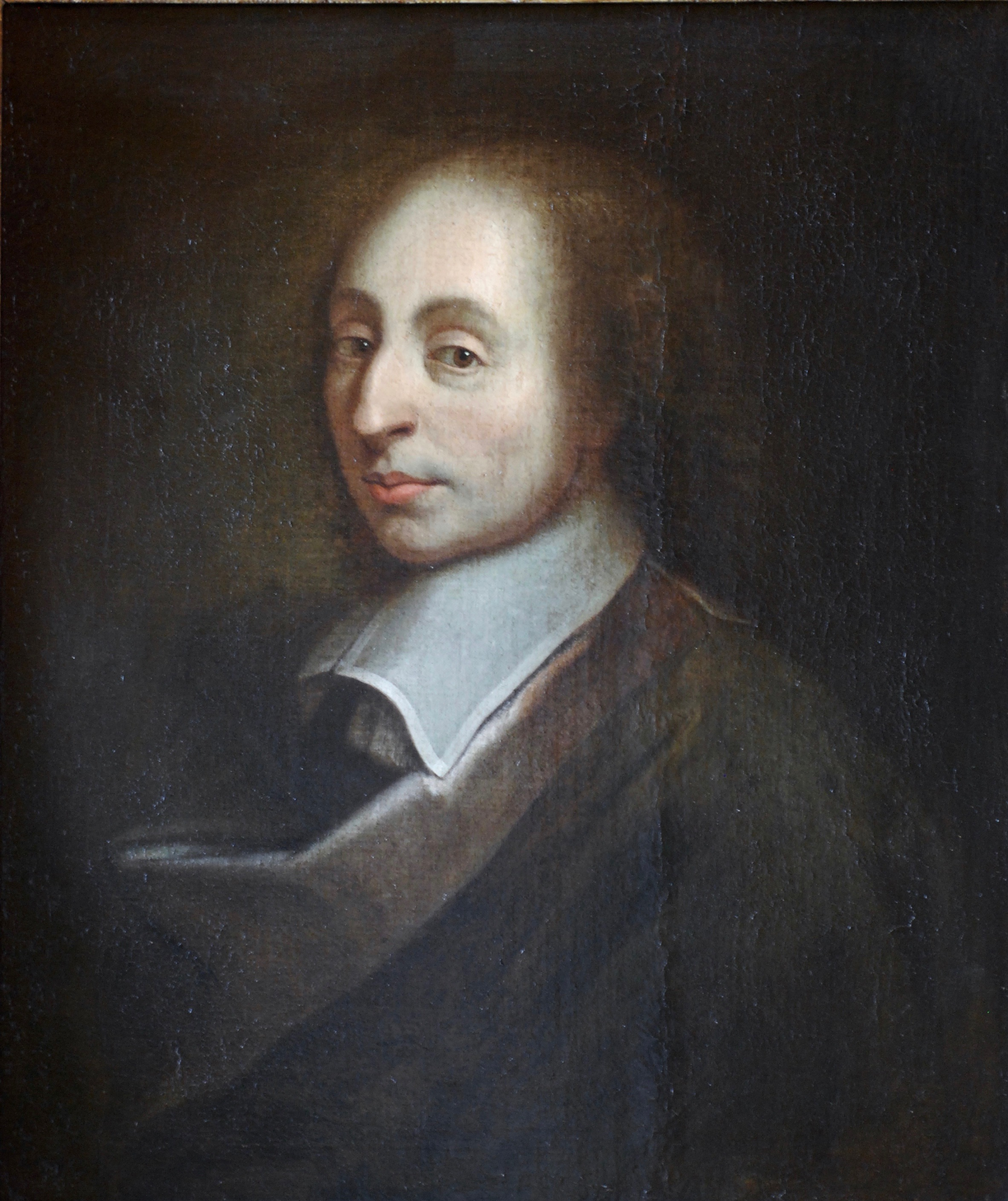
The French mathematician and philosopher Blaise Pascal had an argument about God. Unlike many of his predecessors, however, this argument was not one for God’s existence. It was an argument for why a rational person should believe in God. He called it Pascal’s Wager.
The premises of the argument are simple.
- One can either choose to believe in God or not.
- After death one is either sent to heaven or hell.
- Finally, the afterlife is determined by whether God is actually real or not.
With these options, we can construct a simple matrix.
| God is Real | God is Fake | |
|---|---|---|
| Believe in God | Eternal Bliss (Heaven) | Lose a little (Earthly Pleasures) |
| Don’t Believe | Eternal Damnation (Hell) | Gain a little (Earthly Pleasures) |
Pascal’s argument hinges on the fact that hell and heaven are both eternal, and that there is therefore no reincarnation. If basically the entirety of your life is spent in either heaven or hell, Pascal decrees that any rational man should choose to believe in God. If God is real, being a non-believer means eternal punishment will be inflicted upon you. Therefore, even if believing in God takes a little extra time, and you lose some “Earthly pleasures,” i.e., material goods, it will be worth it in the end. If we take a quasi-mathematical approach to this, like many philosophers do, and assign point values to each section, we come up with something like this:
| God is Real | God is Fake | |
|---|---|---|
| Believe in God | +∞ | -5 |
| Don’t Believe | -∞ | +5 |
As you can see, the penalty for not believing in God is disastrous. On the other hand, the penalty for believing in God is minuscule. On first glance, Pascal’s argument seems bulletproof. However, it has a few logical leaps and premises.
First of all, the entire argument hinges on the assured belief of an afterlife. If there is not an afterlife as it exists in Judaic religions, but something like an eternal cycle of reincarnation, the entire premise of the argument falls apart. If we take the existence of an afterlife out of the premises, the “infinite pain or sadness” part of the equation simply disappears.
Additionally, Pascal’s Wager runs into the uncomfortable truth that we not only don’t know what God exists, and even if one did, which God would it be? Buddha is different from Jesus, who is different from Ixcheli (an esoteric Mayan goddess). If we don’t even know what God exists, how can we pick which one to believe in? Furthermore, one could argue that belief in another God—i.e., in the hypothetical true God’s opinion, a false God—is a crime worse than not believing at all. In that case, one could make the plausible argument that not believing is a much safer choice overall: there are thousands of Gods, and the chance that you pick the right one to believe in is so unlikely that it is better to just suffer a horrible, eternal—but still not as bad—fate at the hands of every God for not believing. Of course, one could attempt to make the argument that there is only one God, and every religion just has a different cultural version of Him. This could be true. However, I would question the accuracy of this claim: if there is truly only one God, then why do people have such contrasting and antithetical interpretations of Him? I would also ask why He allows war to occur in His presence, but that might be going a little too far… (haha—problem of evil).
Lastly, if we accept that God is all-knowing and all-powerful and do choose to believe in Hum based on this argument, He would then know that our belief is not genuine but instead self-centered move. There’s a paradox here. If someone is convinced to believe in God for their own afterlife, they arguably miss the true intent of belief, which could be opposed to the true faith God values. Hand in hand with this is the rebuttal that one cannot just “choose” faith, or choose to believe. If one just chooses to believe in God instantly, does that count as true devotion worthy of heaven? It seems to me that one would have to go above and beyond that.
All in all, Pascal’s Wager is an interesting thought experiment intersecting rationality and spirituality. What do you think? Would you believe?