
Category: Theology
-
The Argument from Contingency
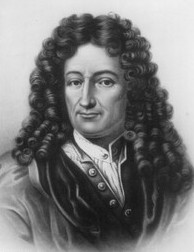
Like many debates in philosophy, the dispute over the nature/existence of God has no clear answer. In this particular argument, the ball lies in the court of the theist, giving them the chance to create a logical argument deriving God as a conclusion from justifiable premises. There are many ways theists have done this. Some, Read more
-
Pascal’s Wager
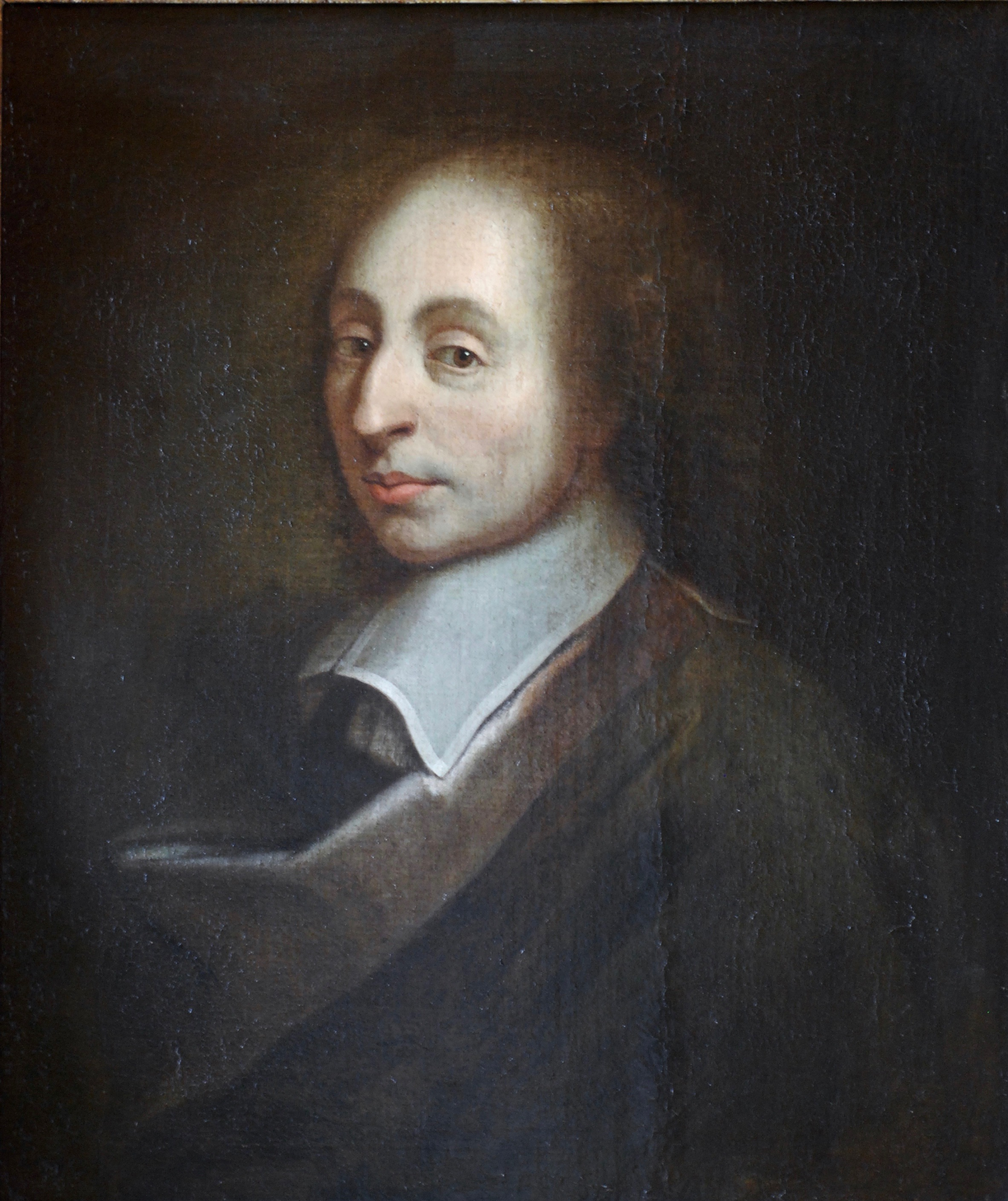
The French mathematician and philosopher Blaise Pascal had an argument about God. Unlike many of his predecessors, however, this argument was not one for God’s existence. It was an argument for why a rational person should believe in God. He called it Pascal’s Wager. The premises of the argument are simple. With these options, we Read more
-
Problems with the Problem of Evil

Disclaimer: I am Agnostic The problem of evil is one of, if not the, most famous arguments in philosophy of religion. It capitalizes on the common, Western understanding of God as a force that is omnipotent (all-powerful), omniscient (all-knowing), and omnibenevolent (all-good). If one accepts that their God embodies these three tenets, then the occurrence Read more
-
Epistemic Self-Doubt

Have you ever been trapped in a spiral of negative thoughts, where you suddenly doubt things you were certain of moments before? I think the vast majority of us have had this experience, in times not related to philosophy. Biologically, self-doubt has evolved as a form of risk management, a mechanism that ensures we check Read more
-
Plantinga’s Ontological Argument

The ontological argument is often discarded as a relatively weak proof for the existence for God. While this is true, and some formulations such as Anselm’s can be immediately dismissed, stronger proofs do exist. Alvin Plantinga’s ontological argument is proof of this. Plantinga’s makes use of modality, or possibility, in conjunction with perfection to make Read more
-
Plato’s Euthyphro: What do we Define as Good?
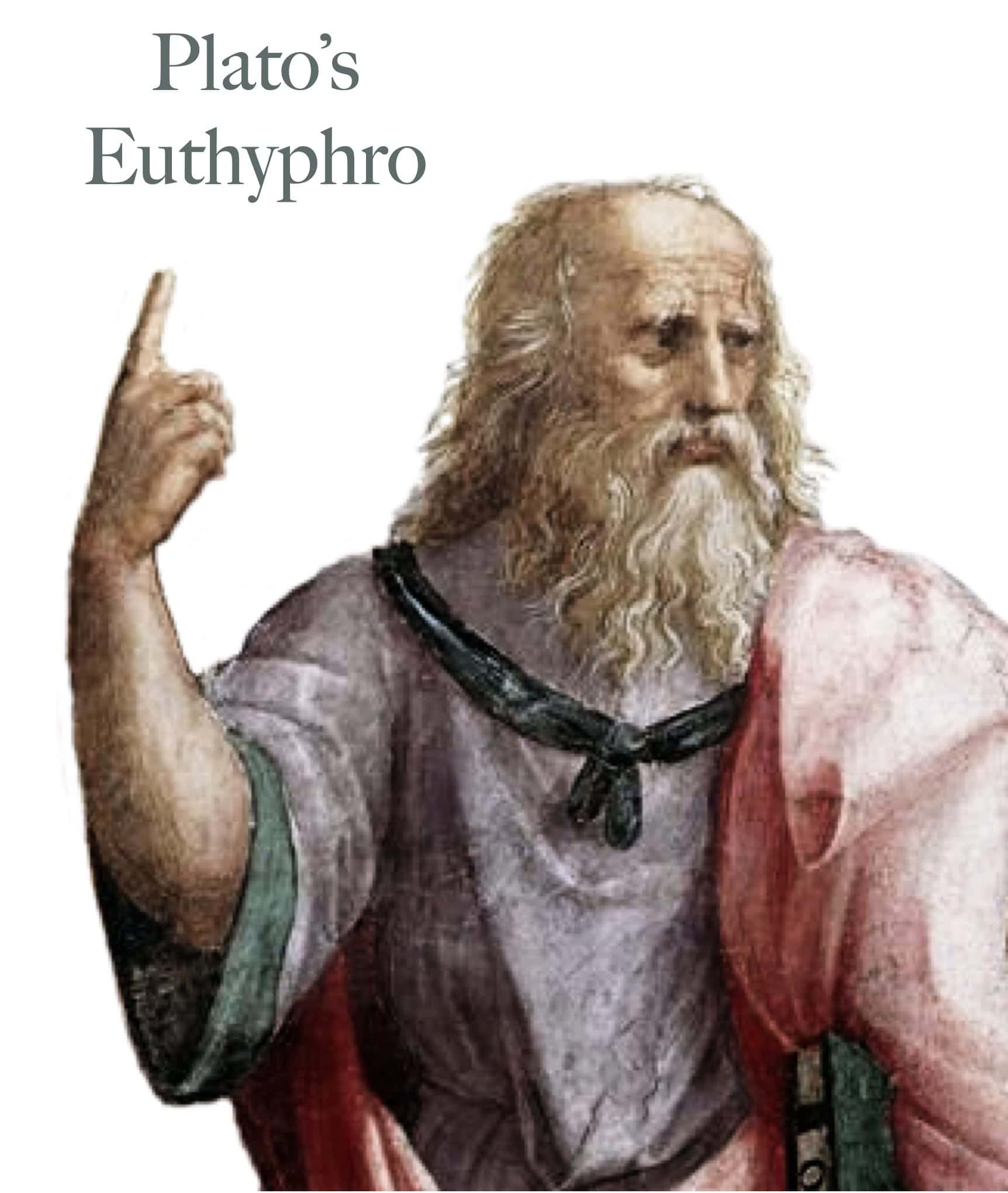
Meet Joey. Every day, Joey’s mom drives him and his sister to kindergarten. As Joey jumps out of the car, his extremely religious mother tells Joey and his sister to “be good people.” Joey takes his mom’s advice: he says his pleases and thank-yous, avoids conflicts, and manages his time well. His mother continues to Read more
-
An Ontologically Parsimonious Argument for the Universe’s Inception
Intro As far as I can tell, the cosmological argument remains the sole most convincing argument for God’s existence. Whether in William Lane Craig’s Kalam or Leibniz’s contingency form, both pose God as the unmoved mover, a being whose existence is necessary in order for the universe to be explained. Both arguments also make some Read more
-
Philosopher of the Day: Boethius

Boethius was a 6th-century Roman philosopher best known for his work The Consolation of Philosophy. Interestingly, Boethius wrote this work while in prison. He was imprisoned under the charge of treason by the Ostrogothic King Theodoric and was awaiting execution. His text was written with the purpose of finding intellectual and spiritual consolation in the Read more
-
Argument from Design (for God’s Existence)

Also known as the teleological argument, the argument from design is one of the most popular proofs for God’s existence. I’ll recount a version I saw on an instagram street interview. For background information, the street interview involved an atheist in a jacket and another man, a preacher, who attempted to prove God’s existence to Read more
-
Cosmological Proof for God’s Existence (Descartes)
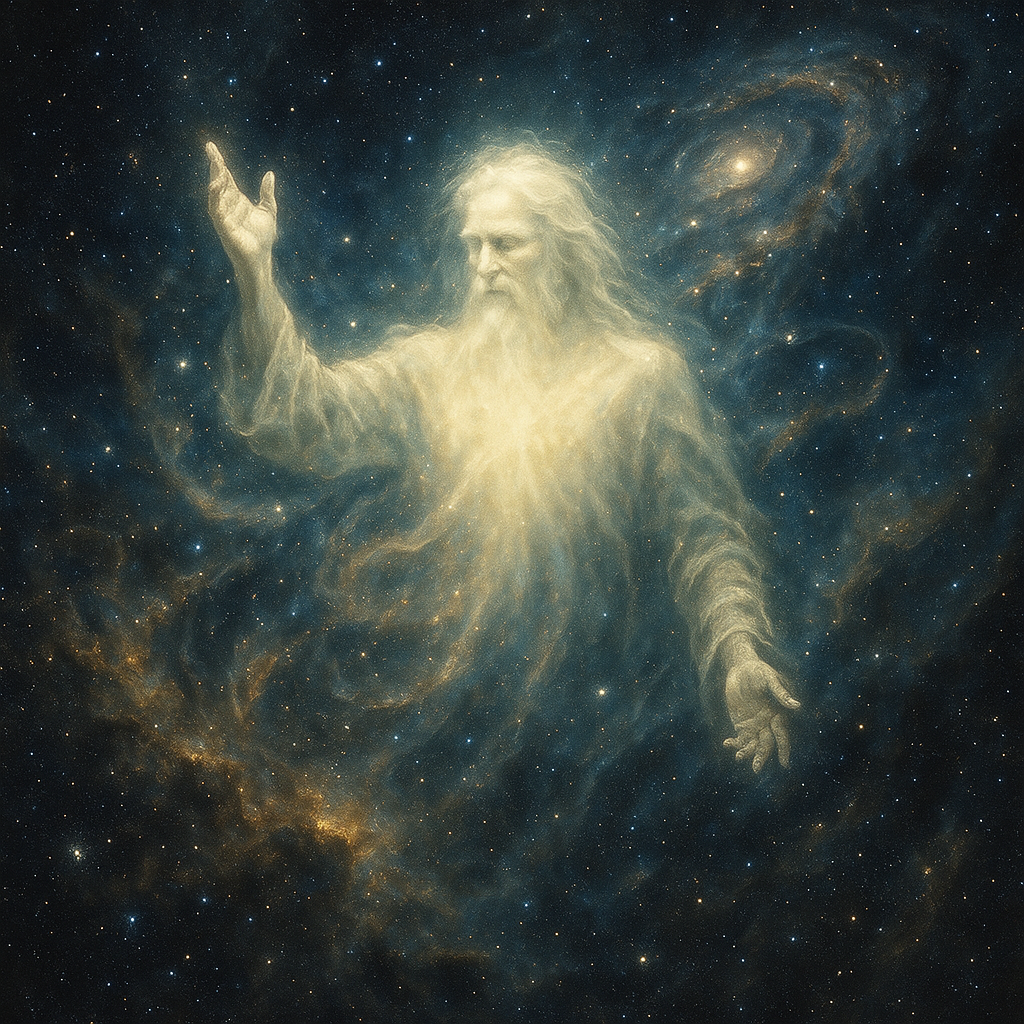
Descartes’ version of the Cosmological Argument is referred to as the stronger of his two arguments. There are countless different cosmological arguments for the existence of God, dating back to the ancient Greeks. Some types are still being debated today. What these arguments have in common is a reference to the principle of causality. It Read more
-
Against the Doctrine of a Tribal False God
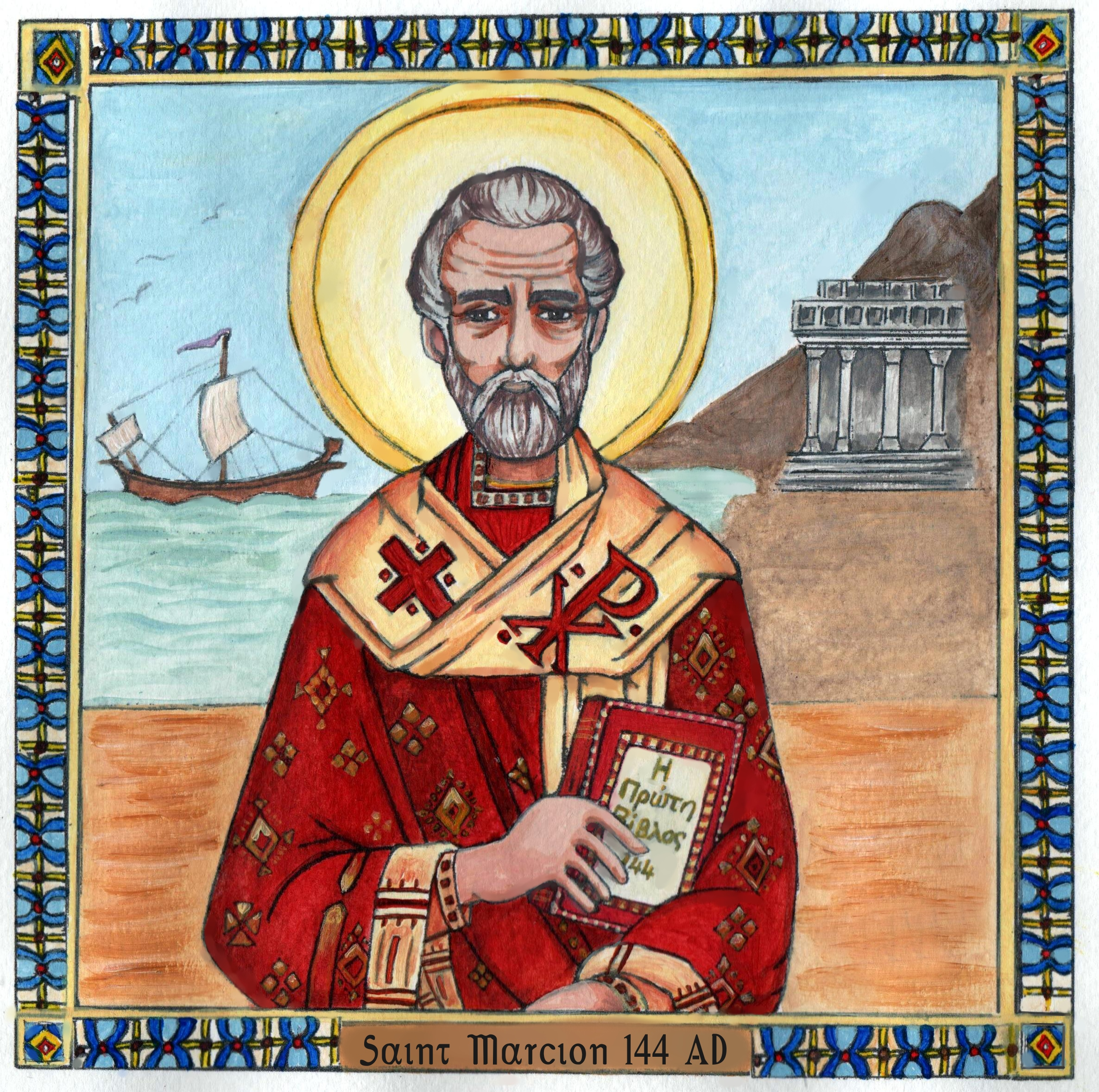
A high-effort post in defense of the Marcionite Faith. Read more
-
Ontological Proof for God’s Existence (Descartes)
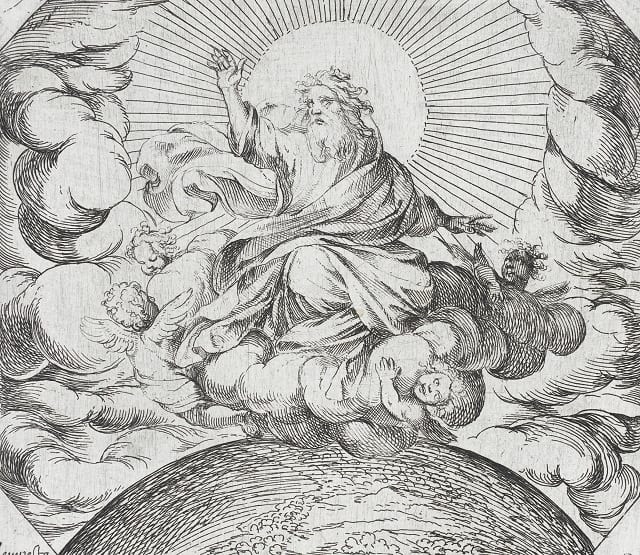
After proving the existence of his mind, Descartes figures that the next logical thing to prove is the existence of God. He does this in two ways. I will explain one of them here, and then provide arguments against it. I’ll explain the other, much more complicated one later, when I better understand it. Descartes’ Read more
-
Why Seth Is More Than Just a Name in a List of Patriarchs

When most of us think of the most important Christian figures, we think of Jesus, Abraham, Adam, Eve, Peter, Noah, Mary, Joseph, and John the Baptist. The list goes on and on but often does not include one of the most deserving candidates: Seth. Seth was the third son of Adam, the replacement of Abel Read more