
Category: Epistemology
-
[Featured] Nozick’s Experience Machine: Is Pleasure the Only Good?
![[Featured] Nozick’s Experience Machine: Is Pleasure the Only Good?](https://kantstopthinking.com/wp-content/uploads/2025/06/635187350773856993_the_happiness_machine_by_tris31-d37ajkp.jpg)
The Experience Machine, a thought experiment developed in 1974 by philosopher Richard Nozick, asks us a very simple question. If there was a machine that could simulate a reality that is perfect in every way, would you jump in? For the sake of the question, assume that this perfect reality molds to each person and Read more
-
Mathematics Beyond the Mind: The Argument for Platonist Thought
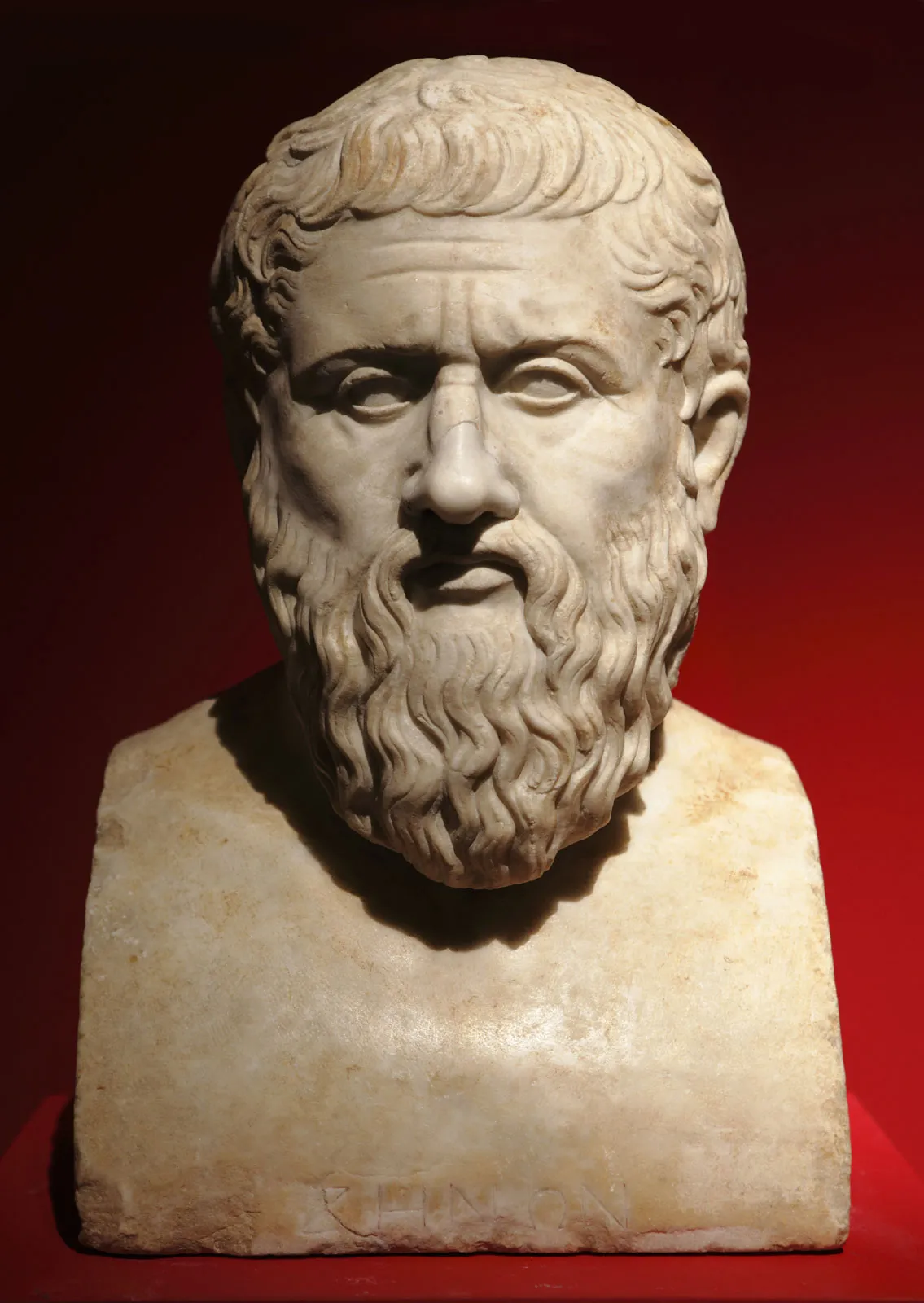
Introduction Compared to the relativity of English and History, Mathematics has always been seen as a domain with clear truths. There is no subjectivity in Mathematics; there is just a right or a wrong. An inquisitive person would question what sets Mathematics apart from the overbearing reign of human subjectivity. The answer, a Platonist would Read more
-
Epistemic Self-Doubt
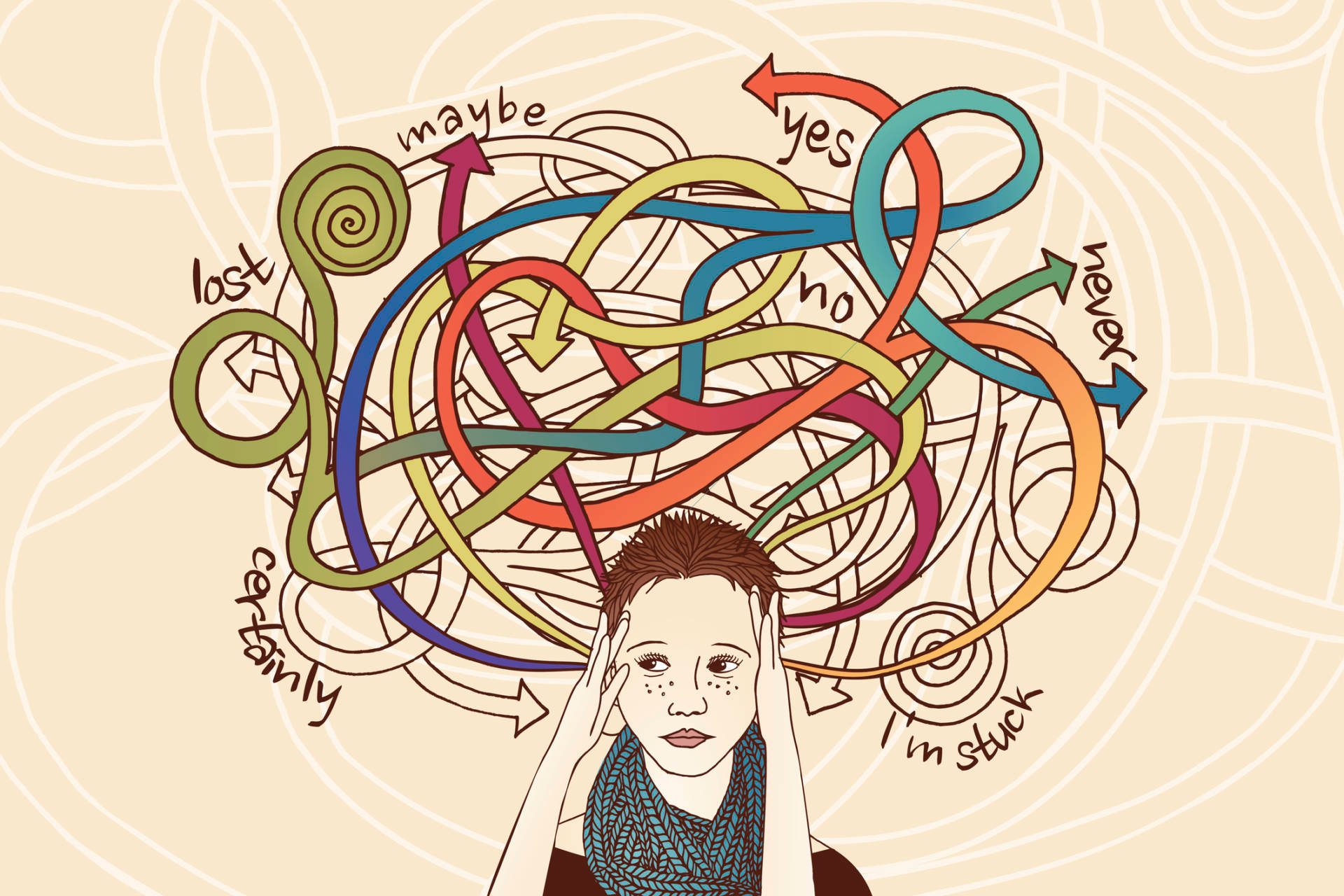
Have you ever been trapped in a spiral of negative thoughts, where you suddenly doubt things you were certain of moments before? I think the vast majority of us have had this experience, in times not related to philosophy. Biologically, self-doubt has evolved as a form of risk management, a mechanism that ensures we check Read more
-
I Think, Therefore I’m….Not? What did Descartes Actually Prove?
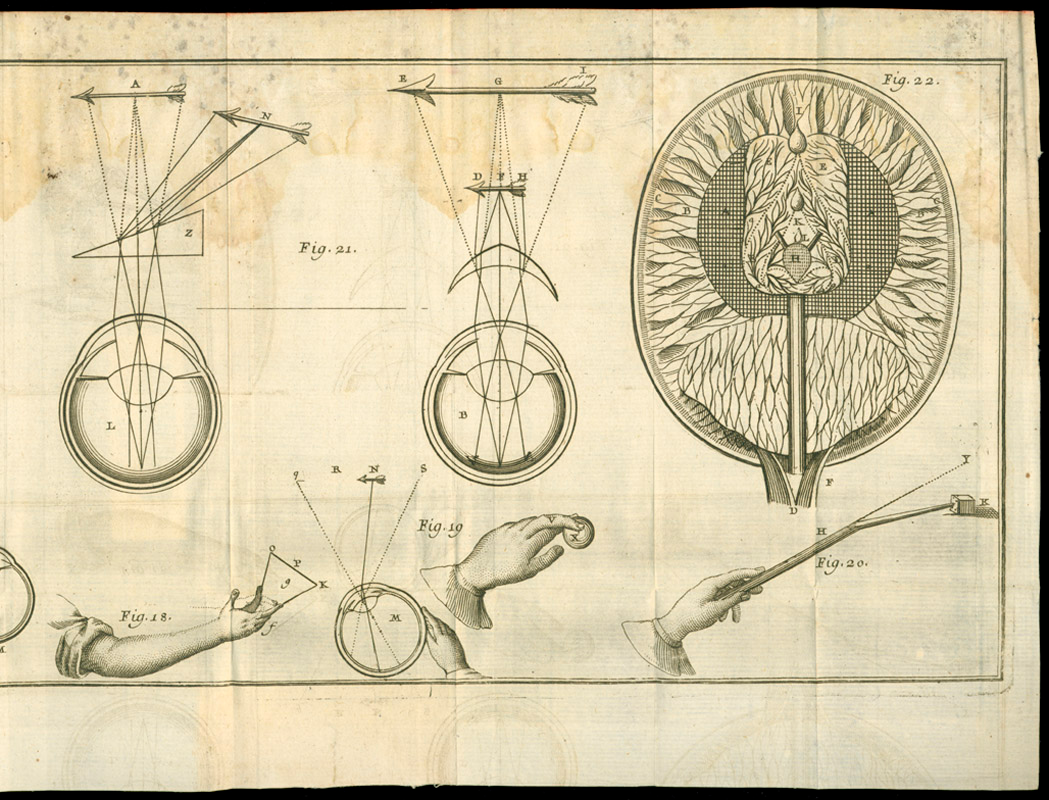
One of the first ideas in philosophy people often hear is Descartes’ famous Cogito, Ergo Sum: I think, therefore I am. In this post, I’d like to dissect the phrase, offer its true meaning, and challenge Descartes on its overall implications for knowledge. I’ve discussed earlier in this blog how Descartes arrived at this landmark Read more
-
A Illogical Skeptic Argument
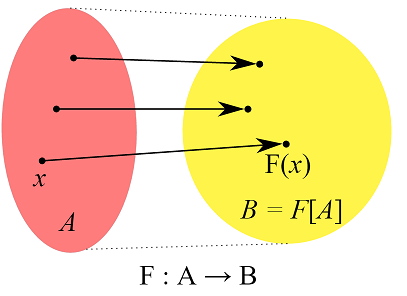
I’d like to talk about the skeptic argument, which attempts to show that true knowledge is impossible. I think that (a) the conclusion really shouldn’t be as crazy as we think and (b) the argument doesn’t rule out all types of knowledge. First of all, let’s go through a standard version of the argument against Read more
-
Russell’s Paradox (1/2)

This spring, I wrote a research paper defending Mathematical Platonism, or the view that numbers exist outside of the mind. Numbers are abstract entities that exist in some non-mental and non-physical realm that we access through reason, not perception. A large part of my argument relied on the reductionist approach that math could be reduced Read more
-
Descartes’ Radical Doubt
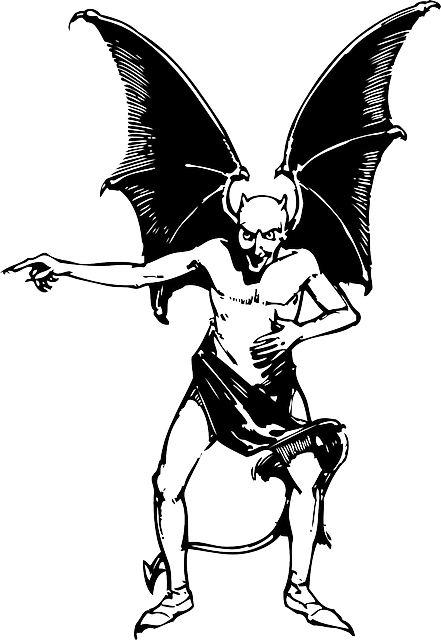
17th century philosopher and mathematician Rene Descartes has one of the most famous one-liners in all of philosophy: “I think, therefore I am”. But how did Rene Descartes get to this revolutionary conclusion? The answer lies in a 6 part book titled The Meditations. Descartes was a rationalist, meaning he saw reason as the chief Read more
-
Boltzmann Brains & Simulation Theory
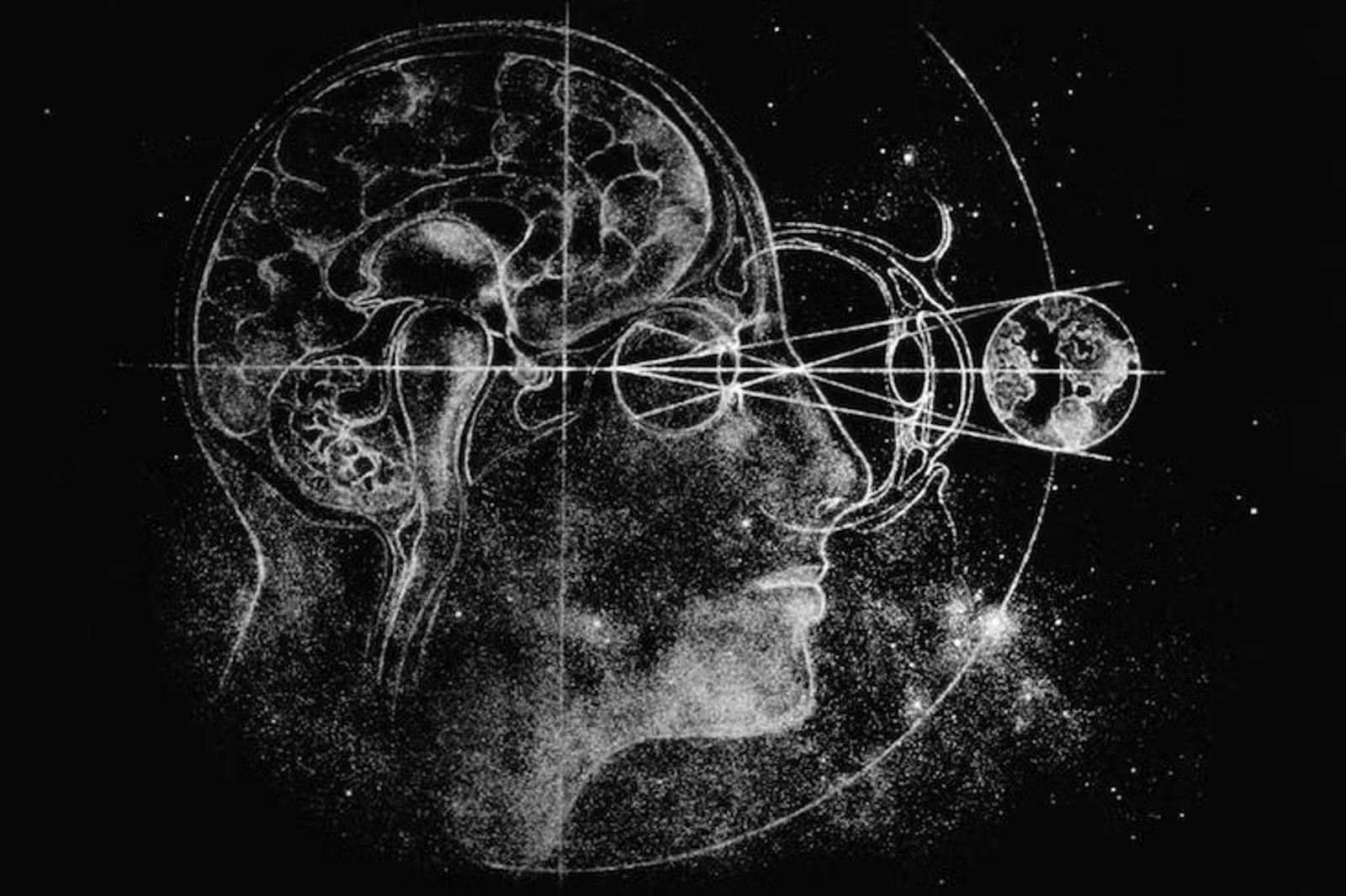
The ideas of Boltzmann Brains and Simulation Theory are interesting concepts that seem both logical and completely impractical at the same time. They’re funny brainteasers that, while impossible to disprove, can be thought about—and then discarded. Nonetheless, they’re worth sharing. Boltzmann Brains were a thought experiment proposed by Austrian physicist Ludwig Boltzmann. Before diving in, Read more
-
The Hard Problem of Consciousness: Does Science have Limits?

Modern-day philosophers are faced with two significant problems: that of the hard problem of consciousness, and that of the hard problem of matter. Although the first is more well-known, both wreak havoc on any current understanding of the universe. In this post, inspired by the incompatible theories of panpsychism, materialism, dualism, and functionalism, I will Read more